
Why Are My Lash Extensions Dropping Out in One Specific Area?
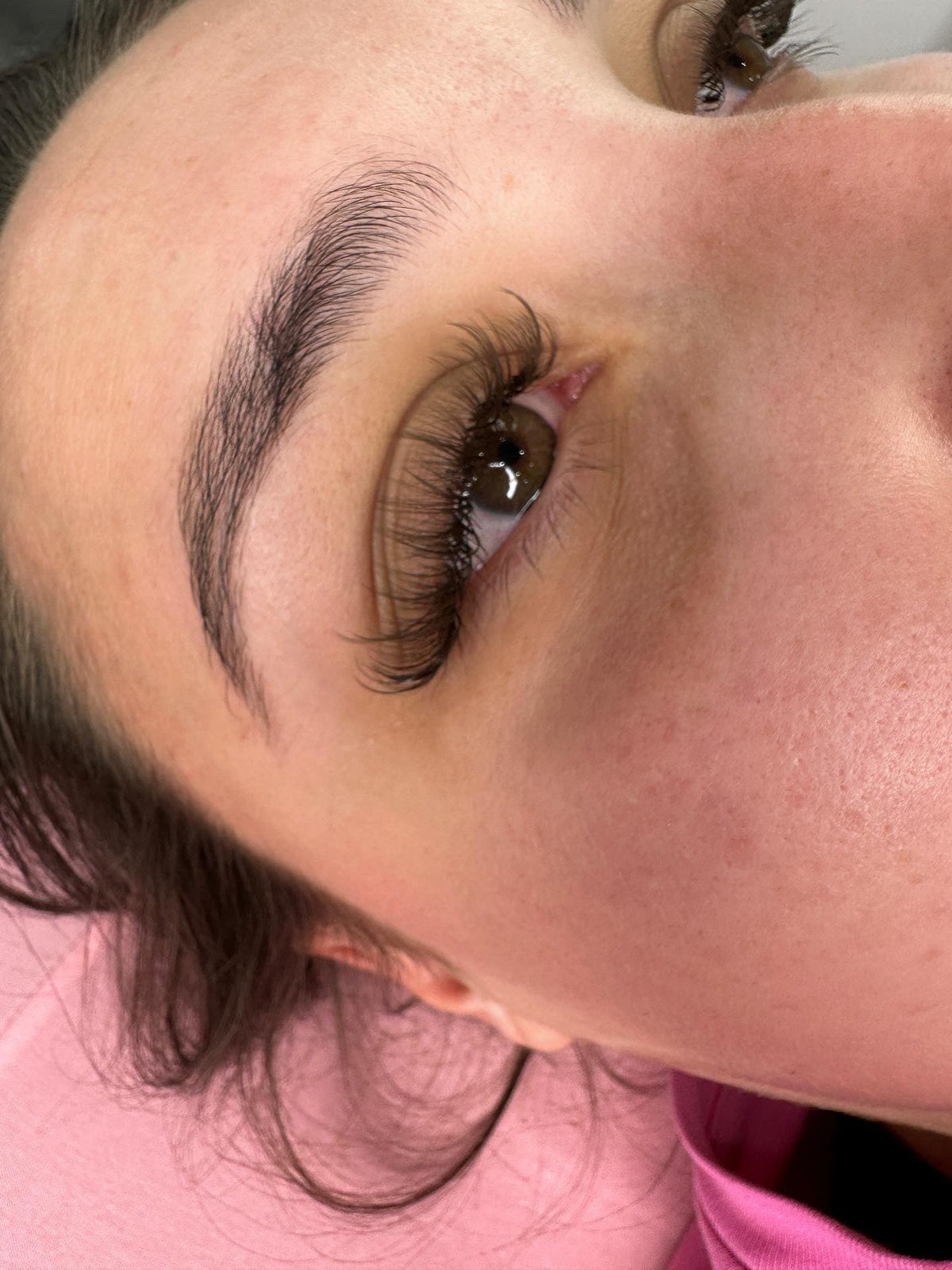
Have you ever finished a lash set that looks perfect, only to notice a few days later that your client has lost a noticeable amount of extensions in one specific area?
If the rest of the set is holding well but one section is dropping out faster, there’s usually a reason for it. It could be down to your application technique, the client’s natural lashes, their sleeping position, the products being used or even environmental conditions.
The good news? Once you identify the cause, it’s much easier to fix.
1. Your Client Could Be Sleeping on That Side
One of the most common reasons for uneven lash retention is sleeping position.
If your client regularly sleeps on one particular side, their lashes can experience more friction against their pillow. This can cause extensions to twist, become loose or fall out sooner than the rest of the set.
You may notice that the side they sleep on has noticeably less volume after a few days.
Tip: Encourage clients to avoid putting pressure directly on their lashes while sleeping and remind them to be gentle when cleansing and drying their extensions.
2. The Natural Lashes Could Be Different in That Area
Not every section of the lash line is the same.
Your client may have finer, weaker or shorter natural lashes in a particular area. Natural lash growth cycles can also vary across the lash line, meaning some extensions will naturally shed sooner than others.
If you're consistently seeing poor retention in exactly the same area, take a closer look at the natural lashes there.
You may need to adjust your lash selection, diameter, length or styling to suit that section rather than treating the entire lash line exactly the same.
3. You Might Be Missing Those Lashes During Application
When working through a full set, it's surprisingly easy to miss a small section of natural lashes.
If fewer lashes are being isolated and extended in one particular area, it can create the appearance of poor retention because there simply aren't as many extensions there to begin with.
Make sure you're working systematically across the lash line and checking for gaps before finishing the set.
A good final check can help you spot areas that need a little more attention.
4. Your Adhesive May Not Be Working Correctly
Your lash adhesive needs the right environment to perform properly.
Temperature and humidity can affect drying speed, meaning your adhesive may cure differently depending on the conditions in your lash room.
If you're noticing inconsistent bonding, check your room's temperature and humidity and make sure they are suitable for the adhesive you're using.
Your glue should also be fresh and stored correctly. Always check the manufacturer's recommended storage conditions and replace adhesive when necessary.
5. Poor Isolation Can Affect Retention
If the natural lash isn't properly isolated, the extension may not attach as securely as it should.
You could also accidentally attach an extension to more than one natural lash, causing pulling as the lashes grow at different rates.
This can lead to discomfort for the client and premature shedding.
Clean isolation = better application control.
Take your time, especially around areas where the lashes are finer or more difficult to see.
6. Your Lash Placement Could Be the Problem
Where you place the extension on the natural lash matters.
If the extension is sitting too far away from the lash line, has poor contact with the natural lash or is positioned incorrectly, the bond may not be as secure.
Look closely at the area where retention is poor and ask yourself:
- Is my attachment consistent?
- Am I getting enough contact between the natural lash and extension?
- Am I placing the extension too far from the lash line?
- Am I using the correct amount of adhesive?
- Is my adhesive drying at the correct speed for my technique?
Small changes in placement can make a big difference.
7. Your Client May Be Touching or Rubbing That Area
Sometimes the issue has nothing to do with your application.
Clients may unconsciously rub their eyes, play with their lashes or repeatedly touch one particular area.
This is especially common when removing makeup or cleansing around the eyes.
Make sure you're giving your clients clear aftercare instructions and explaining why gentle handling matters.
8. Check Your Lash Direction
If extensions are twisting or moving in one particular section, check your direction.
The natural lashes may grow in slightly different directions across the lash line. If your extension isn't sitting correctly with the natural lash, it can create additional tension and make the set look uneven as it grows out.
Always follow the direction and growth pattern of the natural lash rather than forcing every extension into exactly the same position.
So, What Should You Do?
If a client comes back with one specific area showing poor retention, don't immediately assume your adhesive has failed.
Instead, troubleshoot the area.
Look at the remaining extensions and natural lashes. Check whether there is a pattern. Ask your client about their sleeping position, cleansing routine and whether they've noticed themselves touching or rubbing that eye.
Then review your own application:
Isolation → adhesive → attachment → placement → direction → lash selection.
Finding a consistent pattern is the key to improving retention.
Better Retention Starts With Better Products
At PHATLASH, we stock professional lash products designed to help lash techs create beautiful, long-lasting sets.
From lash extensions and adhesives to prep products and tools, having the right products is only one part of great retention — knowing how to use them correctly is just as important.
If you're constantly troubleshooting retention issues, take a closer look at your application technique, working environment and products. One small change could make a huge difference to your client's next set.

Comments