
The Difference Between A Clean Lash Set And A Messy Lash Set
The Difference Between a Clean Lash Set and a Messy Lash Set
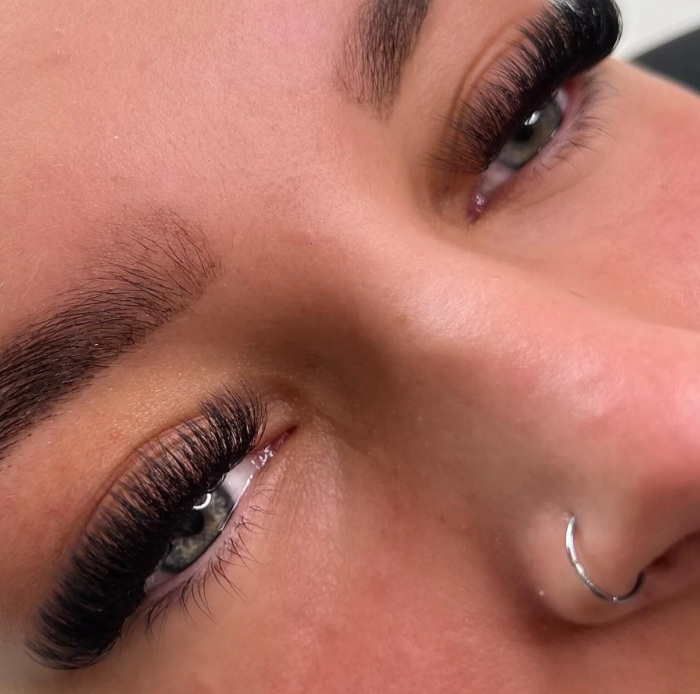
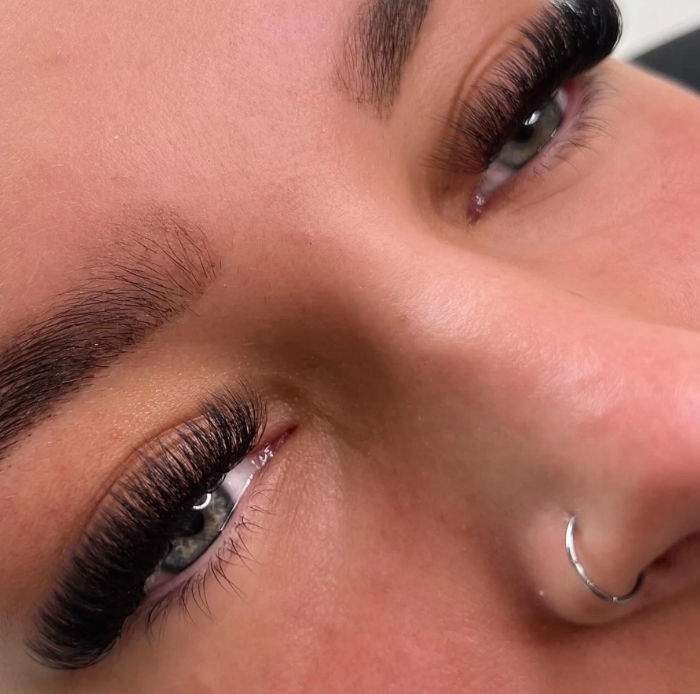
When it comes to lash extensions, the difference between a clean lash set and a messy lash set isn’t always about how dramatic the lashes are. It often comes down to the small details: placement, direction, spacing, isolation and consistency.
A set can be full, fluffy and dramatic while still looking neat and professional. On the other hand, even a relatively simple set can look messy if the lashes aren’t properly isolated or placed.
Whether you’re creating a classic, hybrid, volume or mega volume set, clean application is what takes your work from looking good to looking professional.
What Makes a Lash Set Look Clean?
A clean lash set has a sense of uniformity and control. Each extension should look intentional, rather than appearing randomly placed.
Here are some of the biggest signs of a clean set:
1. Perfect Isolation
Isolation is one of the foundations of a clean lash set.
Each natural lash should be isolated before an extension is applied. When multiple natural lashes become stuck together, the set can immediately start to look untidy.
Poor isolation can also create discomfort for the client and may cause issues as the natural lashes grow out.
Top tip: Take your time with isolation. Speed should never come at the expense of proper application.
2. Consistent Direction
Look closely at a professional lash set and you’ll notice that the extensions generally point in the same direction.
If some lashes are twisting, crossing over one another or pointing sideways, the finished set can look messy even if the lengths and styling are correct.
Your tweezers should help you control the direction of every extension as you place it.
Think about creating clean, organised rows rather than simply filling the lash line.
3. Correct Placement
Placement makes a huge difference to the finished appearance.
Extensions should be attached correctly to the natural lash, with consistent distance from the eyelid. Extensions that are placed too close, too far away or at inconsistent angles can make a set look uneven.
Clean placement creates that polished, professional finish that clients notice immediately.
4. Consistent Fans
For volume and mega volume sets, the fans need to look intentional and consistent.
Fans that are different sizes, widths or shapes can make the lash line look uneven.
This doesn't mean every fan needs to be completely identical handmade lashes will naturally have some variation but your overall fan styling should remain consistent.
If you're using promade fans, make sure they're sitting neatly on the natural lash and that your placement remains controlled.
5. Separation Between Lash Layers
Natural lashes grow at different rates and sit at different levels. If you don't pay attention to the layers, extensions can end up crossing over each other.
A clean set considers the natural lash layers, helping the finished look appear fuller without becoming tangled or chaotic.
This is particularly important when creating textured or wispy sets.
What Makes a Lash Set Look Messy?
A messy lash set can usually be identified by a few common problems.
Stickies
When two or more natural lashes are accidentally bonded together, they're known as stickies.
Stickies are one of the biggest signs of poor lash application and should always be checked for before finishing the treatment.
Crossed Lashes
Extensions that cross over each other can make even a beautiful set look untidy.
This is often caused by inconsistent placement or failing to control the direction of the extension.
Uneven Lengths
Different lengths are essential for creating certain lash styles, but they need to be used intentionally.
Random changes in length can make the lash line look uneven rather than styled.
Always follow your lash map and consider the client's natural lash line when choosing your lengths.
Poor Isolation
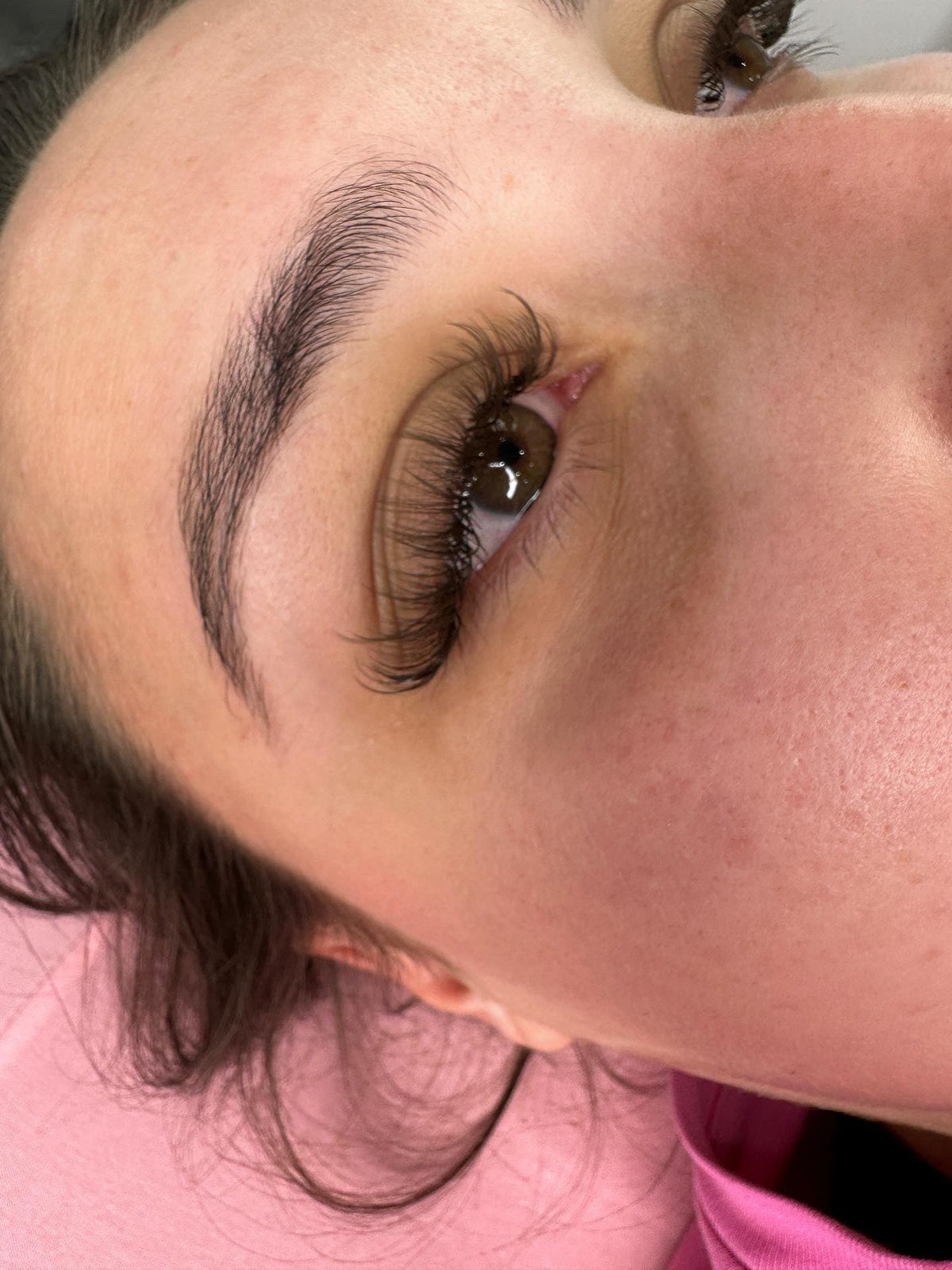
If you can see multiple natural lashes bonded together, the set isn't as clean as it could be.
Isolation should be checked throughout the treatment rather than leaving everything until the end.
Too Much Adhesive
Using too much adhesive can create bulky attachment points and make the lash line look heavy.
Your adhesive pickup should be controlled and appropriate for your technique.
Remember: more glue doesn't mean better retention.
Clean Doesn't Mean Boring
One common misconception is that a clean lash set has to be natural-looking.
That's not true.
You can create dramatic mega volume, textured wispy, Russian volume and hybrid sets while still maintaining a clean application.
The key is control.
You can have:
-
Dramatic styling
-
Dense lash lines
-
Wispy spikes
-
Different lengths
-
Handmade volume fans
-
Textured finishes
…and still have an incredibly clean set.
The difference is that every element has been placed intentionally.
How to Make Your Lash Sets Cleaner
If you feel like your sets aren't looking as neat as you'd like, focus on these areas during your next appointment:
Slow Down Your Application
Trying to work too quickly can lead to rushed isolation and inconsistent placement.
Focus on accuracy first. Your speed will naturally improve with practice.
Check Your Work Throughout the Set
Don't wait until the end to inspect your application.
Regularly check for:
-
Stickies
-
Crossed extensions
-
Incorrect direction
-
Uneven placement
-
Poor isolation
Catching mistakes as you go makes your final check much easier.
Use the Right Tools
Your tweezers can make a huge difference to your application.
A good pair of isolation tweezers should allow you to separate the natural lashes easily, while your pickup tweezers should give you good control over your extensions or fans.
Pay Attention to Your Lash Map
A good lash map gives your set structure.
Before starting, consider the client's eye shape, natural lash length and desired result. Your lengths should work together to create a balanced finish.
Don't Chase Speed
Fast application is great, but clean application comes first.
A slightly longer appointment with beautiful, neat results is far better than rushing through a set and compromising your application.

Comments