
When Should I Switch to a Faster Drying Time Lash Glue?
Choosing the right lash glue is one of the most important decisions a lash tech can make. Your adhesive needs to work with your lashing speed, environment and technique, and as you become more experienced, you may find that your current glue simply isn't keeping up.
One of the biggest signs that it could be time to switch is when you find yourself needing a faster drying time lash glue.
But how do you know when you're ready?
At Phatlash, we offer different lash adhesives with different drying speeds, including Superbond, Sky Bond and Advanced Bond, so you can choose an adhesive that suits your technique and experience level.
What Does Lash Glue Drying Time Mean?
Lash glue drying time refers to approximately how long the adhesive takes to begin setting once the extension is placed onto the natural lash.
For example, if you're using a glue with a 1–2 second drying time, you have a little more time to position your extension before the adhesive sets.
A faster glue gives you less time to make adjustments, which can be fantastic for experienced lash techs who have developed a quick and precise application technique.
However, faster doesn't automatically mean better.
The best lash glue is the one that matches your working speed.
When Should You Switch to a Faster Lash Glue?
1. Your current glue feels too slow
One of the most obvious signs is that your adhesive feels like it's taking too long to set.
If you're placing an extension and finding that you have to hold it in position for longer than you'd like, your glue may be too slow for your current lashing speed.
As your technique improves, your application speed will naturally increase. A glue that worked perfectly when you were learning may eventually start to feel like it's holding you back.
2. You're becoming a faster lash tech
If you've noticed that your placement has become quicker and more confident, it could be time to consider moving to a faster adhesive.
A good rule is:
Your glue should work with your speed, not against it.
If you're consistently placing lashes faster than your adhesive can set, a quicker-drying glue may help make your application more efficient.
3. You're confident with your placement
Faster-drying adhesives don't give you as much time to reposition an extension.
That's why you should only move to a faster glue when you're confident with your placement and can consistently attach extensions accurately.
If you're still taking your time to position each lash, a slower adhesive may be more suitable.
4. You're experiencing lashes moving after placement
If your adhesive is too slow for your working speed, you may notice that extensions move before the glue has properly set.
This can make isolation and placement more difficult and may contribute to stickies or poor lash attachment.
Moving to an adhesive that better matches your speed can help you work more efficiently — provided your technique and environment are suitable for that adhesive.
Which Phatlash Glue Should I Use?
At Phatlash, our lash glues offer different drying times, allowing you to choose the adhesive that best suits your experience and application speed.
Superbond — 1–2 Seconds
Superbond has a drying time of approximately 1–2 seconds, making it a great option if you like having a little more time to perfect your placement.
This can be particularly useful for newer lash techs or anyone whose application speed isn't quite ready for an ultra-fast adhesive.
If you like having that extra moment to position your extension correctly, Superbond could be the perfect place to start.
Sky Bond — 0.5–1 Second
Ready to go a little faster?
Sky Bond has a drying time of approximately 0.5–1 second, making it a faster option for lash techs who have developed a quicker application technique.
If your current 1–2 second glue feels like it's slowing you down, Sky Bond could be the next step.
Advanced Bond — 0.3 Seconds
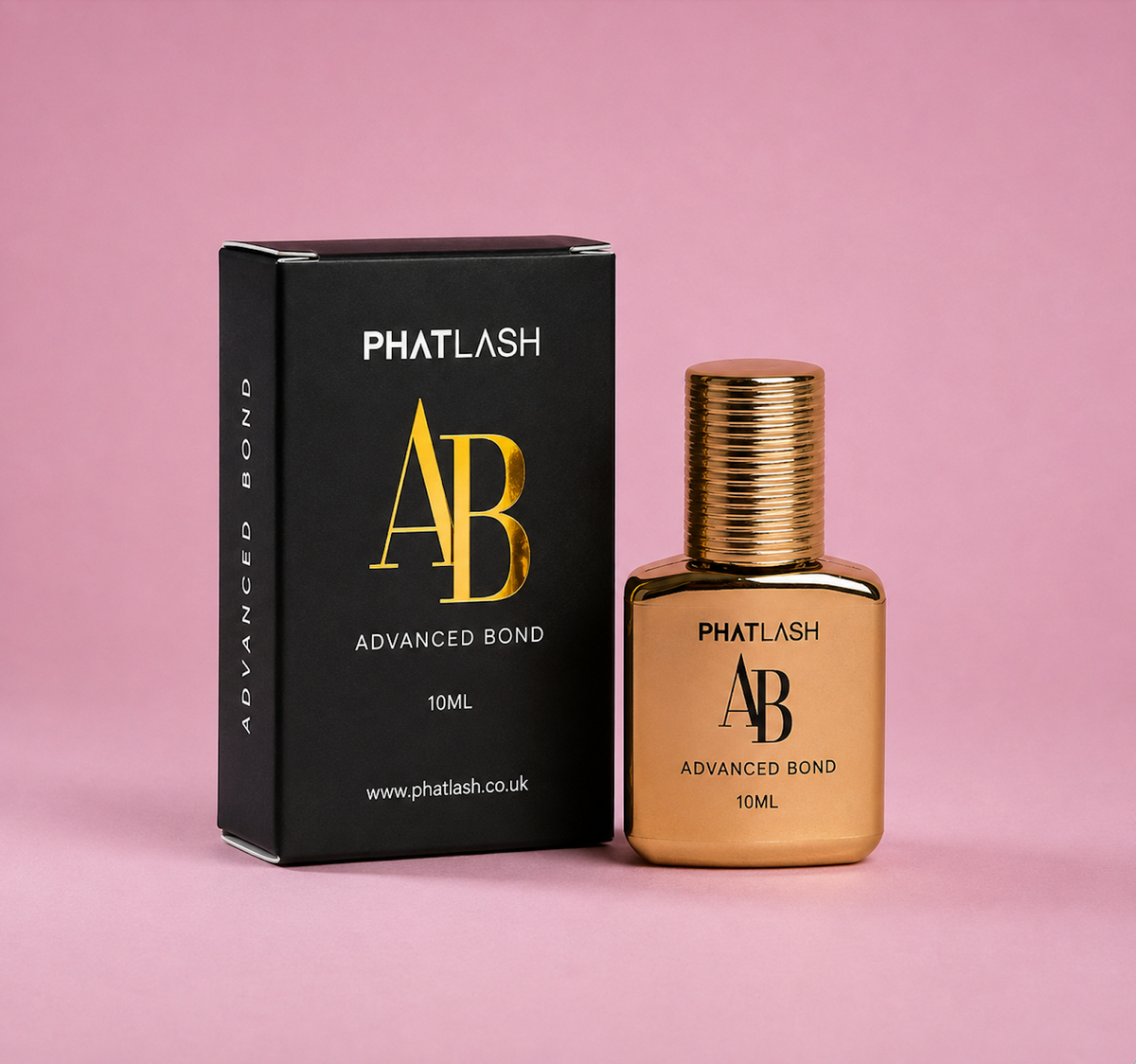
For experienced lash techs with a very fast and confident application technique, our Advanced Bond has an incredibly fast drying time of approximately 0.3 seconds.
This is designed for techs who can work quickly and accurately without needing much time to reposition the extension.
Because it sets so quickly, it isn't necessarily the best choice for beginners. If you aren't yet confident with fast placement, jumping straight to a 0.3-second adhesive could make your application more difficult rather than easier.
Don't Choose Your Glue Based on Drying Time Alone
Although drying speed is important, there are other factors you need to consider when choosing a lash adhesive.
Your room temperature and humidity, your working speed, your technique and even how you store your adhesive can all affect how your glue performs.
If your glue suddenly feels too fast or too slow, don't automatically assume that you need a different adhesive. Check your working environment and make sure you're following the manufacturer's storage and usage instructions first.
A Simple Guide to Choosing Your Drying Speed
Think of it like this:
Still developing your speed?
→ Superbond – 1–2 seconds
Confident and working faster?
→ Sky Bond – 0.5–1 second
Very experienced and extremely fast?
→ Advanced Bond – 0.3 seconds
Remember, these are general guidelines. Every lash tech works differently, so the ideal adhesive will depend on your individual technique and working environment.
The Bottom Line
Knowing when to switch to a faster drying lash glue is all about matching your adhesive to your technique.
If your current glue feels too slow and you're becoming faster and more confident with your lash application, it may be time to move to a quicker adhesive.
At Phatlash, you can choose from Superbond (1–2 seconds), Sky Bond (0.5–1 second) and Advanced Bond (0.3 seconds), giving you options as your skills and speed develop.
Don't rush into the fastest glue just because it sounds better. The right glue is the one that gives you enough time to achieve clean, accurate placement while keeping up with your natural lashing speed.


Comments