
How to Deal With Clients With Sensitive Eyes: A Lash Tech’s Guide
Clients with sensitive eyes can be some of the trickiest to work with as a lash technician. Watery eyes, redness, irritation and discomfort can make the treatment more challenging, but with the right consultation, preparation and products, you can create a much more comfortable experience.
At Phatlash, we understand that not every client will respond to lash treatments in the same way. That’s why choosing the right products, including an adhesive designed for more sensitive clients can make an important difference.
What Causes Sensitive Eyes During Lash Treatments?
There are several reasons why a client may experience sensitivity during or after a lash appointment.
Common factors include:
- Naturally sensitive or watery eyes
- Sensitivity to adhesive fumes
- Eyes not being completely closed during application
- Incorrect placement of under eye pads or tape
- Excessive adhesive fumes during application
- Poor lash isolation
- Adhesive touching the skin
- Environmental factors such as dry air, dust or pollen
- Existing irritation around the eye area
It’s important to remember that sensitive eyes and an allergic reaction are not necessarily the same thing. If your client experiences significant swelling, persistent redness, itching or other concerning symptoms, advise them to seek appropriate medical advice and do not continue treatment if it is unsafe to do so.
Always Start With a Thorough Consultation
Before applying lash extensions, take the time to discuss your client's previous experiences with lash treatments.
Ask whether they have previously experienced:
- Watery eyes during lash appointments
- Redness or irritation
- Discomfort from adhesive fumes
- Reactions following lash extensions
- Sensitivity to beauty products
- Eye conditions or medication that may affect treatment
A detailed consultation allows you to identify potential concerns and decide whether the treatment is appropriate.
If you are unsure whether a client is suitable for lash extensions, do not take unnecessary risks. A patch test should be carried out according to the adhesive manufacturer's instructions, but remember that a patch test cannot guarantee that a client will not experience a reaction during or after a full treatment.
Choose Your Adhesive Carefully
One of the most important considerations for clients who are prone to sensitivity is the adhesive you use.
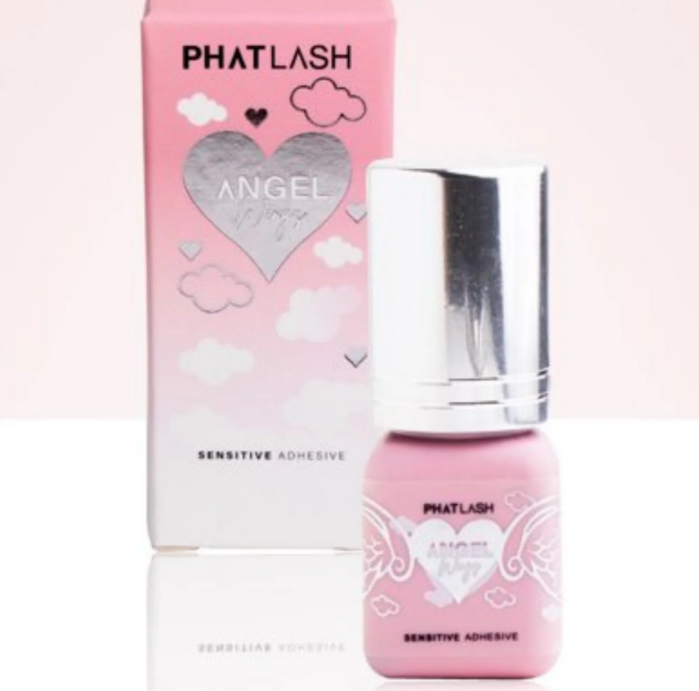
At Phatlash, we offer Angel Wings Sensitive Lash Glue, designed with more sensitive clients in mind.
Angel Wings has a 0.5–1 second drying time, making it a fast-setting adhesive option for lash technicians who work quickly. Its recommended working environment is approximately 20–25°C with 40–70% humidity.
As with any lash adhesive, always follow the manufacturer's instructions and make sure your salon environment is suitable for the product.
Don't Assume "Sensitive Glue" Means Allergy-Proof
This is an important point for every lash technician.
A sensitive adhesive does not mean that a client is guaranteed to have no reaction.
Lash adhesives contain ingredients that can cause reactions in some individuals. If a client has previously experienced an allergic reaction to lash extensions, you should take this seriously and follow appropriate professional and manufacturer guidance rather than simply switching to a sensitive adhesive.
Your client's safety should always come before completing a treatment.
Keep the Eyes Completely Closed
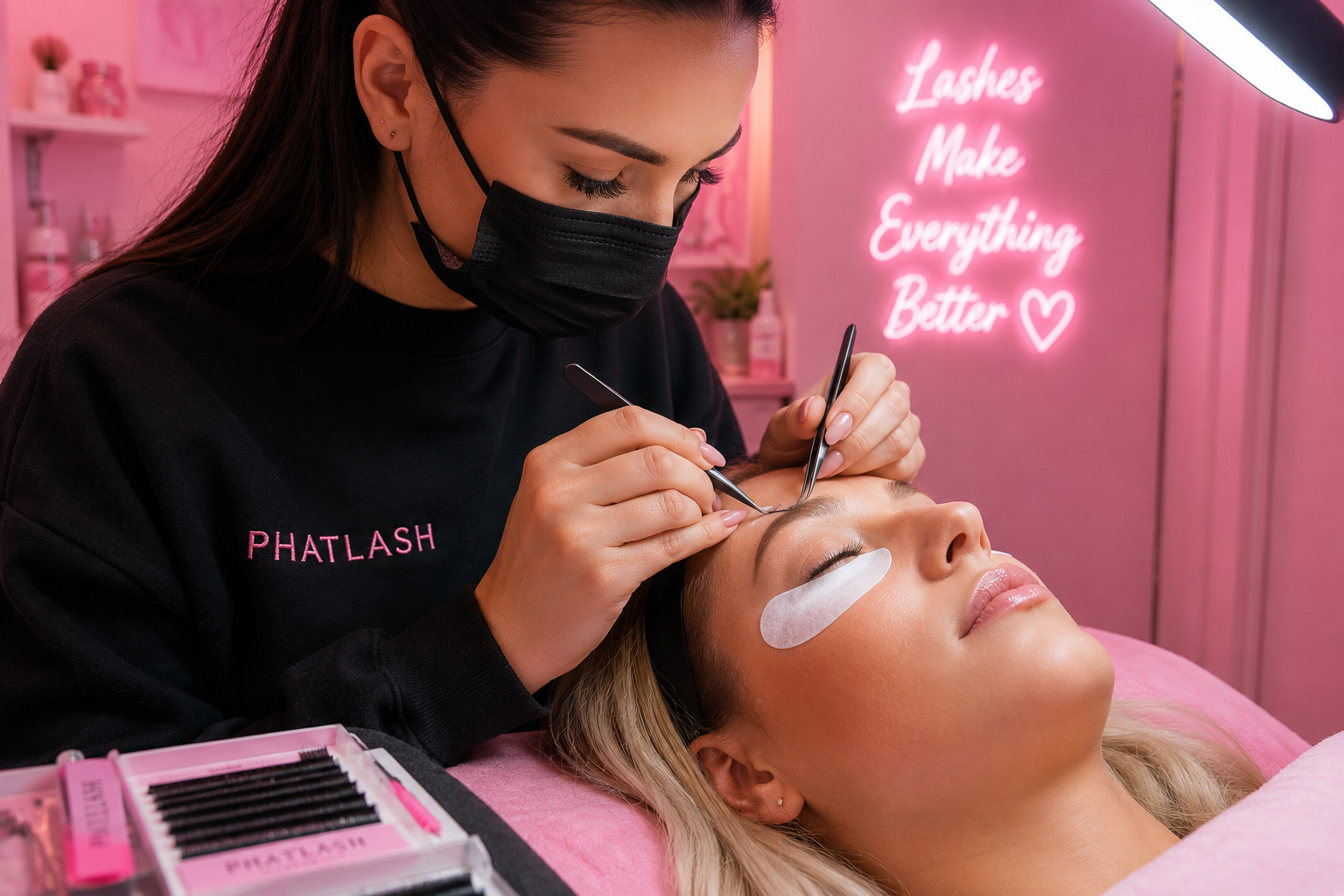
During lash application, your client's eyes should remain comfortably and completely closed.
Even a small amount of eye movement or an eye that is slightly open can allow adhesive fumes to reach the eye, potentially causing temporary stinging, watering or redness.
Before you begin:
- Make sure your client is comfortable.
- Position the under-eye pads correctly.
- Check that the pads are not touching the eyeball or sitting too close to the waterline.
- Ask your client to close their eyes naturally.
- Check that the eyes remain completely closed throughout the appointment.
If you notice the client's eye opening, pause your application and reposition or address the issue before continuing.
Don't Overload the Lashes With Adhesive
More adhesive does not mean better retention.
Using too much adhesive can increase the amount of fumes and can also affect the appearance and comfort of the finished set.
Use the correct amount of adhesive for your technique and the extension you are applying. Always work according to your adhesive manufacturer's instructions.
Good isolation and precise application are just as important as choosing the right glue.
Pay Attention to Your Lash Pads
Incorrectly positioned eye pads can contribute to discomfort and watering.
Before starting the treatment, check that your pads are:
- Smooth and secure
- Not touching the eyeball
- Not positioned directly on the waterline
- Comfortable for the client
- Not causing the lower lashes to interfere with your application
If your client tells you that their eye is uncomfortable, stop and check the positioning rather than asking them to simply tolerate it.
Consider Your Salon Environment
Your working environment can also influence your client's experience.
Keep your lash room clean and well maintained, and monitor the temperature and humidity so that your adhesive is working within its recommended conditions.
Good ventilation is also important, but avoid creating strong air currents directly across the client's eyes while you are working.
Using a hygrometer can help you keep track of the conditions in your lash room and make adjustments when necessary.
What If Your Client's Eyes Start Watering?
Watery eyes can make lash application much more difficult because moisture can interfere with your adhesive and make isolation harder.
If your client's eyes begin watering:
Pause the treatment.
Check that their eyes are fully closed and that their eye pads are positioned correctly. Allow the client to gently dab away tears if necessary, but avoid rubbing the eyes.
Once the area is comfortable and dry, you can reassess whether it is appropriate to continue.
If excessive watering continues throughout the appointment, it may be safer to stop rather than attempting to work through it.
Give Your Clients Aftercare Advice
Sensitive clients may benefit from particularly clear aftercare instructions.
Explain that they should avoid rubbing or picking at their extensions and follow the aftercare instructions supplied with the products you use.
Encourage clients to contact you if they experience unexpected or persistent symptoms after their appointment. If symptoms suggest a possible allergic or medical reaction, advise them to seek appropriate medical attention.
Sensitive Clients Don't Have to Mean Difficult Appointments
Working with clients who have sensitive eyes requires patience, precision and good communication.
The key is to look at the whole treatment, not just the adhesive.
Carry out a thorough consultation
Follow your manufacturer's instructions
Choose an appropriate adhesive
Keep the client's eyes completely closed
Check your eye pad placement
Use the correct amount of adhesive
Monitor your salon environment
Stop if the client becomes uncomfortable
Take potential allergic reactions seriously
Prioritise client safety over completing the treatment
With the right techniques and products, you can provide a more comfortable lash experience while maintaining professional standards.
Shop Phatlash Lash Products
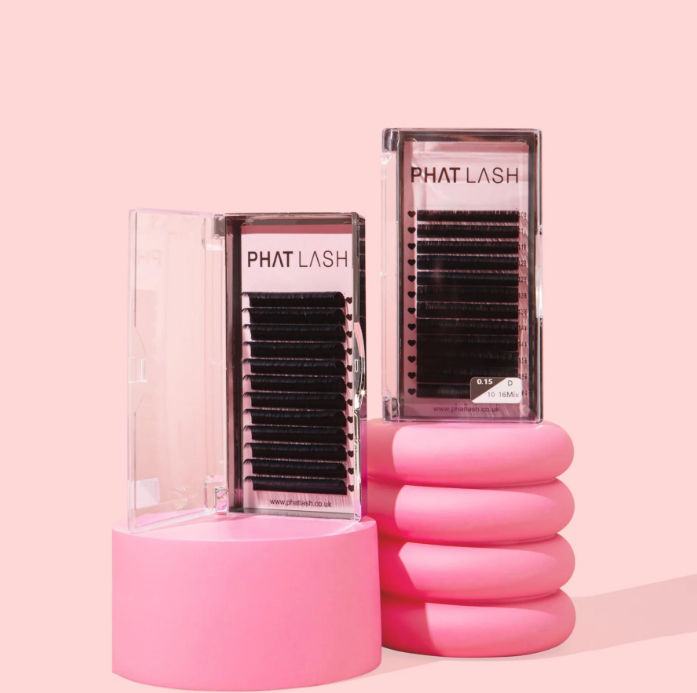
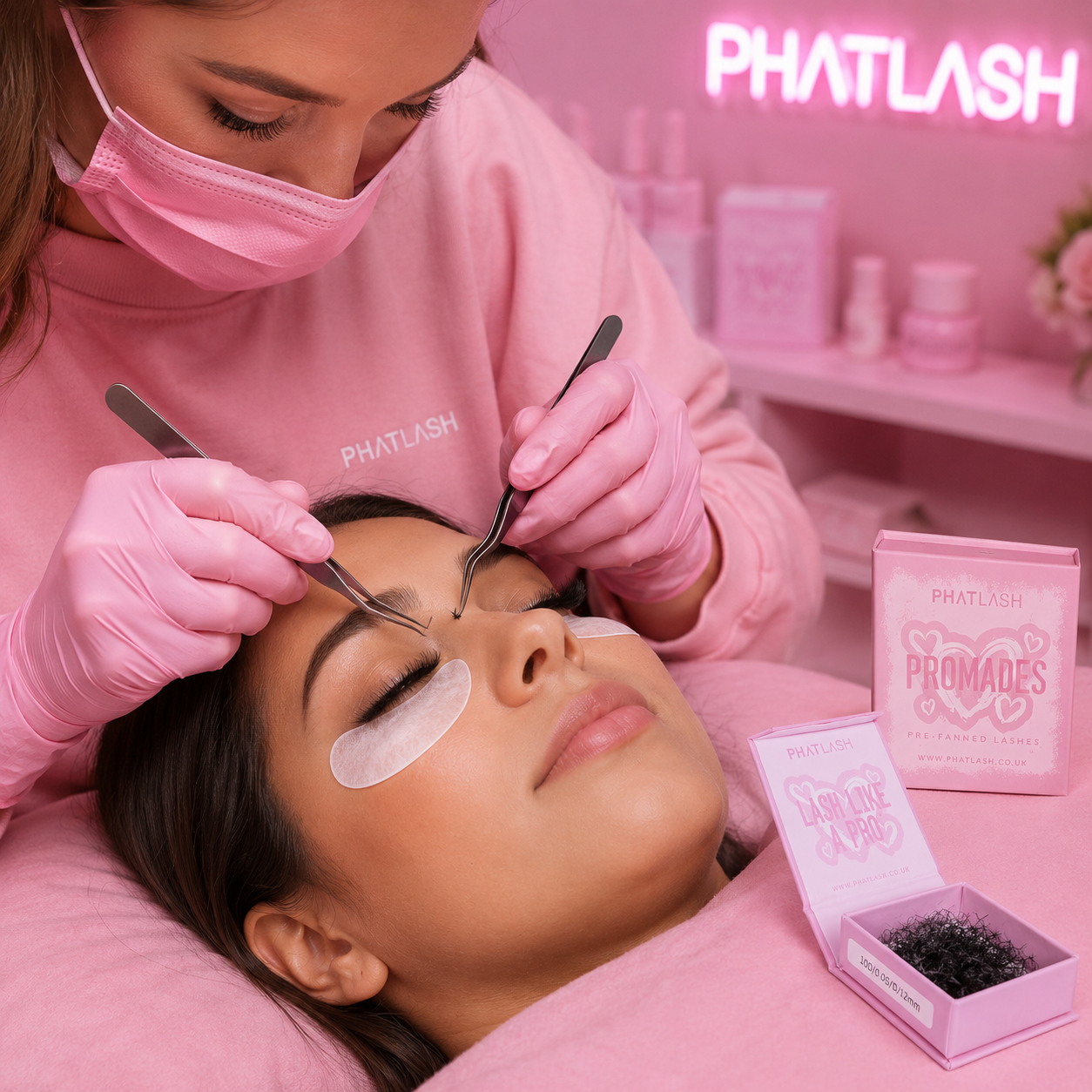
Looking for professional lash supplies? Explore the Phatlash range of lash adhesives, sensitive lash glue, tweezers, lashes, prep products and accessories to find the products you need for your lash business.
And if you're looking for an adhesive option for clients who are prone to sensitivity, take a look at Phatlash Angel Wings Sensitive Lash Glue.
Phatlash — professional lash supplies made for lash technicians.
Comments