
Why Your Lash Glue Isn't Working (And How to Fix It)
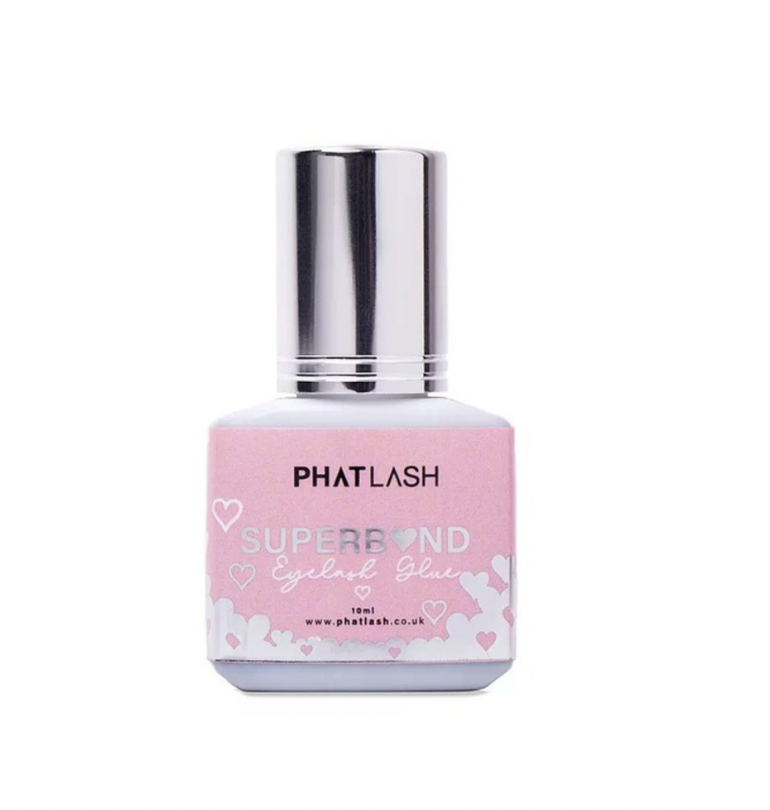
If you've ever found yourself wondering why your lash adhesive suddenly isn't performing the way it should, you're not alone. Even the highest-quality lash glue can struggle if the conditions or application techniques aren't right.
Before you blame the adhesive, let's explore the most common reasons your lash glue isn't working, and what you can do to achieve consistently flawless retention.
1. Your Room Temperature Is Too High or Too Low
Lash adhesives are designed to perform within a specific temperature range. If your salon is too hot, the glue may cure too quickly, making it difficult to attach extensions correctly. If it's too cold, the adhesive can become sluggish and cure too slowly.
Keep your workspace at the temperature recommended for your adhesive and consider using a room thermometer to monitor conditions throughout the day.
2. Humidity Levels Are Incorrect
Humidity is one of the biggest factors affecting lash glue performance. Too much humidity can cause the adhesive to cure before you've placed the extension, while low humidity can leave the glue wet for too long, affecting retention.
Use a hygrometer to monitor your humidity levels and choose an adhesive that matches your salon environment.
3. Your Glue Has Expired
Lash adhesive has a limited shelf life. Once opened, most adhesives perform best for around 4–8 weeks, depending on the manufacturer.
If your glue has become stringy, thick, or inconsistent, it's probably time for a fresh bottle.
Remember:
- Store adhesive upright in a cool, dry place.
- Keep the lid tightly closed.
- Never leave it in direct sunlight or near heat sources.
4. You're Not Shaking the Bottle Properly
The ingredients inside lash adhesive naturally separate over time. If the bottle isn't shaken thoroughly before use, the formula won't perform as intended.
Shake your adhesive vigorously for at least one minute (or use an adhesive shaker) before every appointment to ensure the ingredients are fully mixed.
5. You're Using Too Much Adhesive
More glue doesn't mean better retention.
Using too much adhesive creates a larger bead that takes longer to cure, increasing the chances of stickies and poor bonding.
A small, neat bead is all you need for a strong, clean attachment.
6. Your Glue Drop Is Too Old
Once dispensed, lash adhesive immediately starts reacting with the air.
Even if it still looks usable, it may no longer perform at its best.
Replace your glue drop every 15–30 minutes, or more frequently in warmer or more humid environments.
7. Your Lash Preparation Isn't Thorough
No adhesive can bond properly to dirty lashes.
Natural oils, makeup residue, skincare products, and dust all create a barrier between the adhesive and the natural lash.
A proper preparation routine should include:
- Cleansing the lashes thoroughly.
- Rinsing if required.
- Drying completely.
- Priming when appropriate for your client's lashes.
Great retention starts with excellent preparation.
8. You're Working Outside the Glue's Speed
Every adhesive has a curing speed.
If you're a newer lash artist using an ultra-fast adhesive, the glue may cure before you've attached the extension.
Likewise, experienced artists may find slower adhesives hold them back.
Choosing a glue that matches your application speed makes a huge difference to retention and ease of application.
9. The Bottle Hasn't Been Stored Correctly
Exposure to moisture and air can begin curing the adhesive inside the bottle.
Always:
- Wipe the nozzle after every use.
- Replace the cap immediately.
- Store the bottle upright in an airtight container with silica packets if recommended.
Correct storage helps maintain consistent performance from the first drop to the last.
10. It's Not the Glue, It's the Environment
Many lash artists assume the adhesive is faulty when retention suddenly changes.
In reality, seasonal weather changes, heating, air conditioning, dehumidifiers, and even opening a window can alter your room conditions enough to affect your glue.
Monitoring your environment regularly allows you to make small adjustments before they become big retention problems.


Comments