
Why Is My Lash Glue Going Stringy?
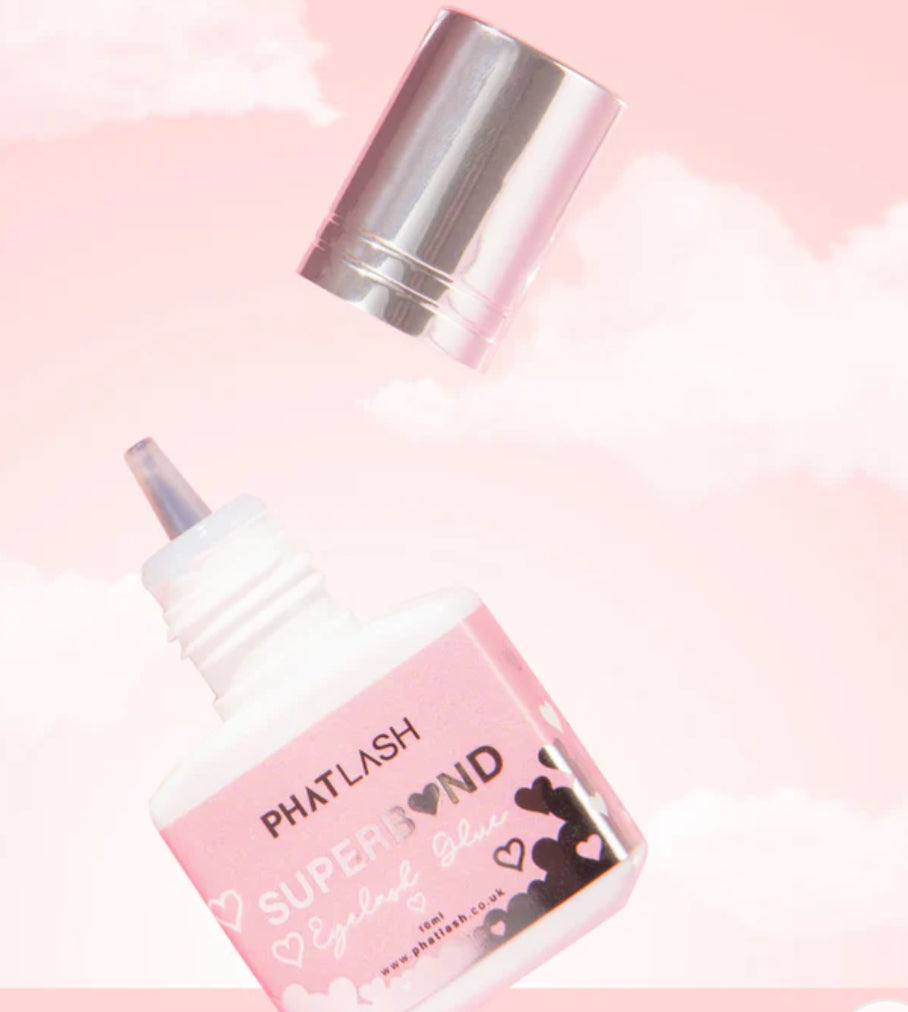
If you're a lash artist, you may have experienced the frustration of picking up a lash extension only to find that your lash glue is going stringy. Instead of creating a clean, neat bond, your adhesive starts to form long, sticky strings between your lash extension, glue dot and natural lash.
But why does this happen?
Stringy lash adhesive can be caused by several factors, including your lash glue's consistency, humidity, temperature, application technique and how you are working with your glue. The good news is that once you understand the cause, it is usually easy to fix.
At Phatlash, we know how important it is for lash artists to have reliable, professional quality lash supplies and lash adhesive. Here's everything you need to know about stringy lash glue and how to prevent it.
What Does It Mean When Lash Glue Goes Stringy?
When lash glue becomes stringy, you may notice that the adhesive stretches into thin, sticky strands as you remove your lash extension from the glue dot or move it towards your client's natural lash.
A small amount of tackiness is normal with lash adhesive, but excessive stringiness can make your lash application more difficult. It may slow down your lash sets, create messy bonds and make it harder to achieve clean, professional results.
If your glue suddenly starts behaving differently from when you first opened it, it's worth checking your lash adhesive storage, environment and application technique.
1. Your Lash Glue May Be Starting to Cure
One of the most common reasons lash glue becomes stringy is that the adhesive has started to cure and thicken.
Every time you open your lash glue bottle, it is exposed to air and moisture. Over time, this can affect the consistency of the adhesive. As the glue begins to cure inside the nozzle or bottle, it may become thicker and more difficult to work with.
If your adhesive is becoming increasingly stringy, thick or clumpy, it could be a sign that it is time to replace it.
Tip:
Always follow the manufacturer's recommended shelf life and replacement guidelines. Don't continue using an adhesive simply because there is still product left in the bottle.
2. Your Glue Dot Has Been Out Too Long
Your glue dot should be replaced regularly throughout your lash appointment.
As your adhesive sits exposed to the salon environment, it can begin to cure. This means the glue dot may become thicker, tackier and more stringy as time passes.
If you notice your lash glue becoming harder to pick up or creating strings, try creating a fresh glue dot.
How often you need to replace your glue dot depends on your adhesive, salon environment and the manufacturer's instructions, but keeping your adhesive fresh throughout the appointment is an important part of professional lash application.
3. Your Humidity Could Be Affecting Your Adhesive
Humidity plays a huge role in lash adhesive performance.
Professional lash adhesives rely on moisture in the air to cure. If your salon's humidity is outside the ideal range for your particular adhesive, the glue may not behave as expected.
If your adhesive is curing too quickly, it may start to become tacky or stringy before you have completed your lash application.
On the other hand, if your environment is too dry, the adhesive may cure more slowly.
This is why it is so important to have a digital hygrometer in your lash room so you can monitor your humidity and temperature throughout the day.
Always check the recommended environmental conditions for the specific adhesive you are using, as different lash glues can have different requirements.
4. Your Lash Glue Could Be Too Old
Lash adhesive has a limited lifespan. Once opened, it can gradually change in consistency and performance.
If your lash glue is old, you may notice that it:
-
Becomes stringy
-
Thickens
-
Takes longer to dry
-
Doesn't create a strong bond
-
Becomes difficult to pick up
-
Looks clumpy around the nozzle
If your adhesive is no longer performing as it should, it's best to replace it with a fresh bottle.
5. You May Be Dipping Your Extension Incorrectly
Your technique can also contribute to stringy glue.
When picking up your lash extension, make sure you are dipping the base of the extension into the adhesive correctly. If you are dipping too deeply or pulling the extension away from the glue dot too slowly, you may create a long strand of adhesive.
Try picking up the extension with a smooth, controlled movement and avoid dragging the base through the glue.
Your aim is to pick up the right amount of adhesive for the extension and your chosen lash technique.
6. Your Glue Nozzle Needs Cleaning
A build-up of dried adhesive around the nozzle can affect how your lash glue comes out of the bottle.
If the nozzle is not kept clean, partially cured adhesive can mix with fresh adhesive, potentially changing its consistency and making it more difficult to dispense.
After dispensing your adhesive, always wipe the nozzle according to the manufacturer's care instructions and make sure the bottle is sealed securely.
Never use products or cleaning methods that aren't recommended by the adhesive manufacturer.
7. Your Glue Isn't Being Stored Correctly
Correct lash glue storage is essential for maintaining adhesive performance.
Your lash adhesive should be stored according to the manufacturer's instructions. Many professional lash adhesives need to be kept in a cool, dry environment away from direct sunlight and excessive heat or moisture.
Avoid leaving your glue in places where temperatures fluctuate significantly, such as near radiators, windows or in a hot car.
Always check the specific storage instructions provided with your adhesive, as storage recommendations can vary between products.
How Can I Stop My Lash Glue From Going Stringy?
If your lash adhesive is becoming stringy, try these simple steps:
✔ Check your glue's expiry and opening date
Make sure your adhesive is still within its recommended usable period.
✔ Create a fresh glue dot
Your glue dot can begin to cure during your appointment, so replace it regularly.
✔ Check your humidity and temperature
Use a hygrometer to monitor your lash room environment and make sure it is suitable for your adhesive.
✔ Clean your glue nozzle
Keep the nozzle free from dried adhesive and follow the manufacturer's cleaning instructions.
✔ Store your adhesive correctly
Always follow the storage instructions provided with your lash glue.
✔ Check your application technique
Make sure you're picking up your lash extension smoothly and using the correct amount of adhesive.
✔ Replace your glue when needed
If your adhesive has changed consistency or is no longer performing correctly, it's time for a fresh bottle.
Should I Still Use Stringy Lash Glue?
If your lash glue has suddenly become significantly more stringy, thick or difficult to work with, it's best to investigate the cause before continuing your lash appointment.
Your adhesive is one of the most important products in your lash kit, so you should always prioritise professional lash application, proper adhesive storage and manufacturer guidelines.
Never try to thin or alter your lash adhesive by adding other products, as this can affect its performance and may compromise the safety and quality of your lash treatments.
Shop Professional Lash Supplies at Phatlash
The right products can make a huge difference to your lash application. At , we stock a range of professional lash extensions, lash glue, lash supplies and essential tools designed to support lash artists in creating beautiful results.
Whether you're a newly qualified lash technician building your kit or an experienced lash artist looking to refresh your supplies, choosing high-quality products and taking proper care of your lash adhesive can help you achieve a smoother, more efficient lash application.

Comments