
Which Lash Glue Is Best to Use in Colder Months?
When the colder months arrive, your lash extension adhesive can start behaving differently. Changes in temperature, humidity and even heating inside your salon can all affect your glue’s drying speed and retention.
So, which lash glue is best to use during the colder months? The answer depends on the temperature and humidity levels in your lash room but choosing an adhesive that works well with your environment is key.
Why Does Cold Weather Affect Lash Glue?
Lash adhesives rely on moisture in the air to cure. During winter, colder outdoor temperatures can often mean lower humidity, while central heating can make the air inside your salon even drier.
This can cause your glue to:
-
Dry slower than usual
-
Take longer to create a strong bond
-
Feel stringier or more difficult to work with
-
Affect your application speed
-
Potentially impact retention
This is why it’s important to monitor the conditions in your lash room rather than simply choosing a glue based on the season.
What Should You Look For in a Winter Lash Glue?
During colder months, look for a lash adhesive with working conditions that suit your salon environment.
If your lash room becomes cooler and drier during winter, you may need to adjust your humidity and temperature to bring your environment back into your adhesive’s recommended range.
At PHATLASH, our adhesives have different recommended working conditions, so there isn't one glue that is automatically "best" for every lash tech.
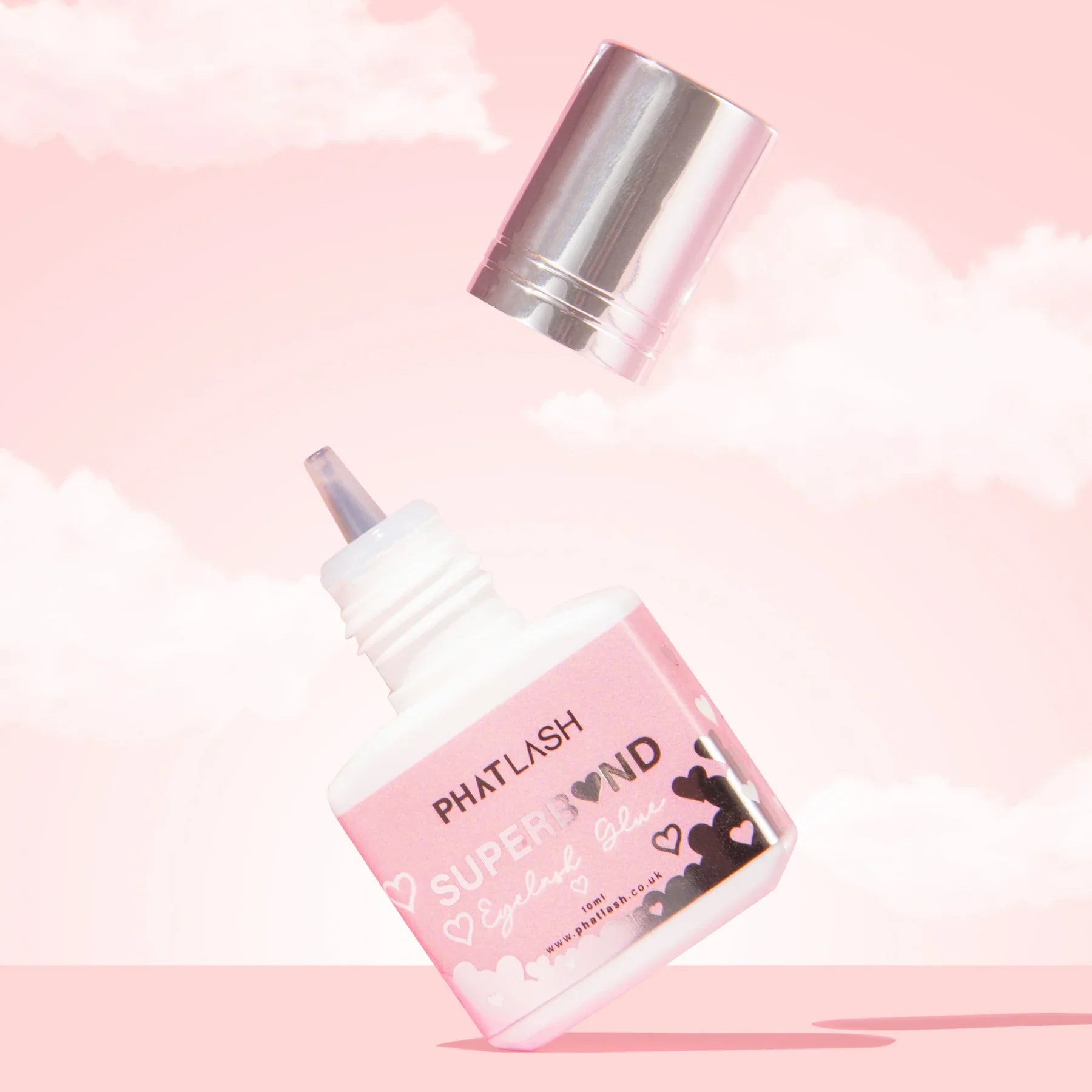
SUPERBOND
Our SUPERBOND adhesive has a recommended temperature of 20–26°C and humidity of 45–60%, with a drying time of approximately 1–2 seconds.
This can be a great option if you can maintain a warm, controlled lash room during the colder months.
ANGEL WINGS
For lash techs working within 20–25°C and 40–70% humidity, ANGEL WINGS offers a fast approximately 0.5–1 second drying time.
As always, your application speed should match the adhesive you are using.
PINK BOND
PINK BOND has a recommended temperature range of 20–27°C and humidity of 45–75%, with an approximately 1–2 second drying time.
Its wider humidity range can make it a useful option for lash techs who have more variation in their salon environment.
Don't Just Change Your Glue Check Your Environment
One of the biggest mistakes lash techs can make during winter is immediately changing their adhesive without checking their salon conditions first.
Before switching glue, check:
Temperature: Is your lash room within your adhesive's recommended range?
Humidity: Has your humidity dropped since turning your heating on?
Glue storage: Is your adhesive being stored correctly between appointments?
Application: Are you still working at the correct speed for your adhesive?
A small digital hygrometer can be incredibly useful because it allows you to monitor both temperature and humidity throughout the day.
How to Improve Lash Retention in Winter
If you're noticing changes in retention during colder weather, try these simple steps:
-
Monitor your temperature and humidity daily.
-
Keep your lash room within your adhesive's recommended conditions.
-
Avoid storing your glue near radiators or direct heat.
-
Replace your adhesive according to the manufacturer's recommendations.
-
Make sure your natural lashes are properly cleansed and prepared before application.
-
Match your lash adhesive to your working speed.
Remember, the "best" lash glue isn't necessarily the fastest one — it's the one that works correctly within your environment and suits your application speed.
Final Thoughts
Winter doesn't mean you need to completely change your lash adhesive. Instead, focus on controlling your temperature and humidity and choosing a PHATLASH adhesive that matches those conditions.
If your lash glue suddenly starts behaving differently, don't panic. Check your environment first, make any necessary adjustments and make sure you're following the recommended working conditions for your chosen adhesive.

Comments